Taking Impact Assessment to the Villars Institute Summit
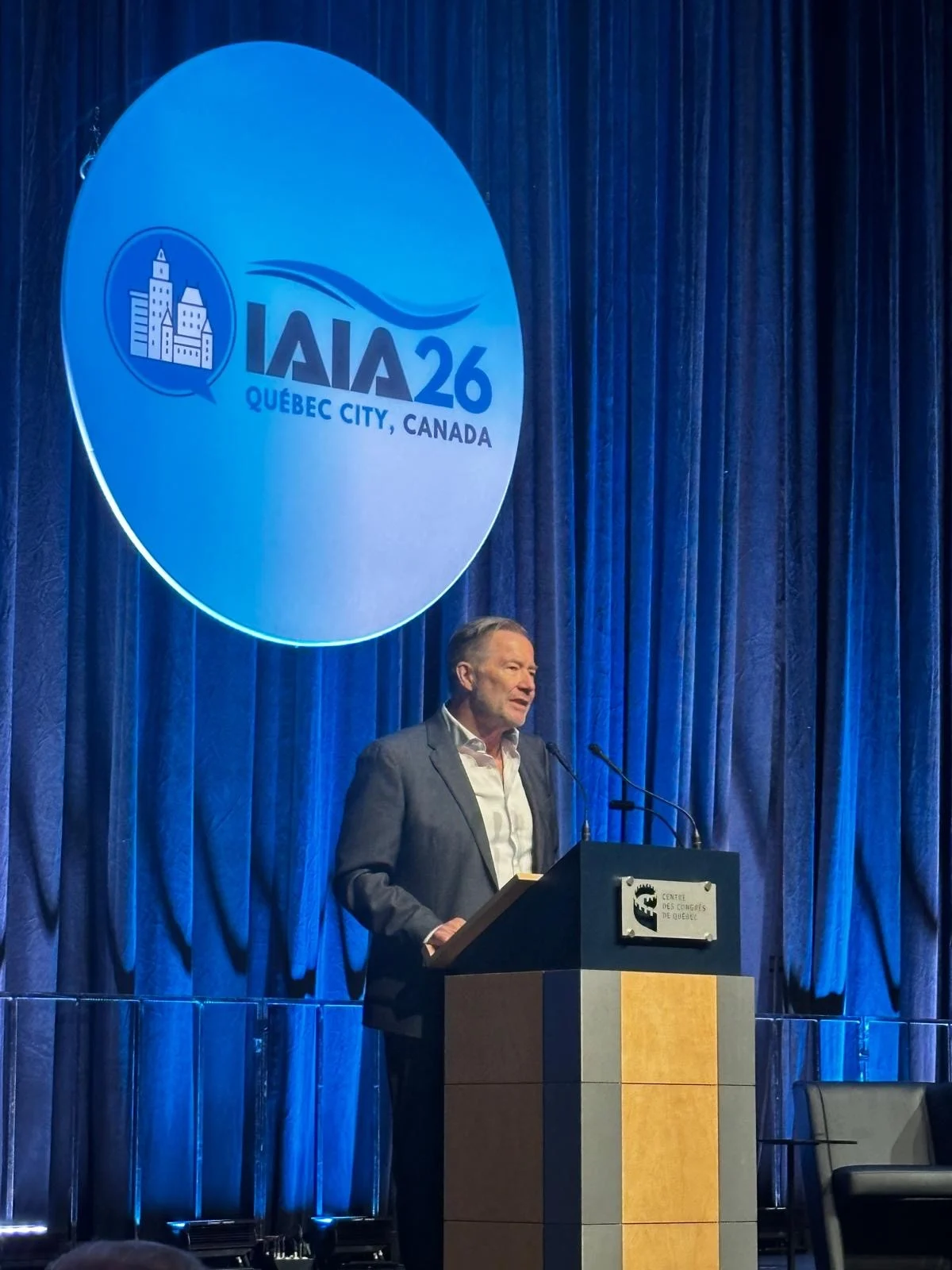
A message from IAIA CEO Gary Baker

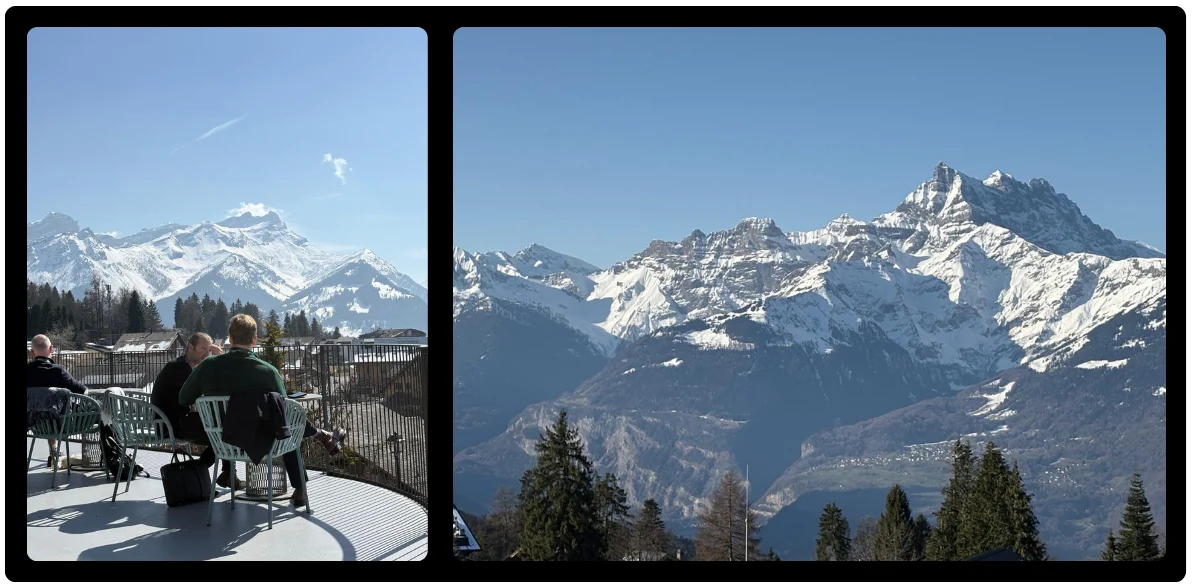
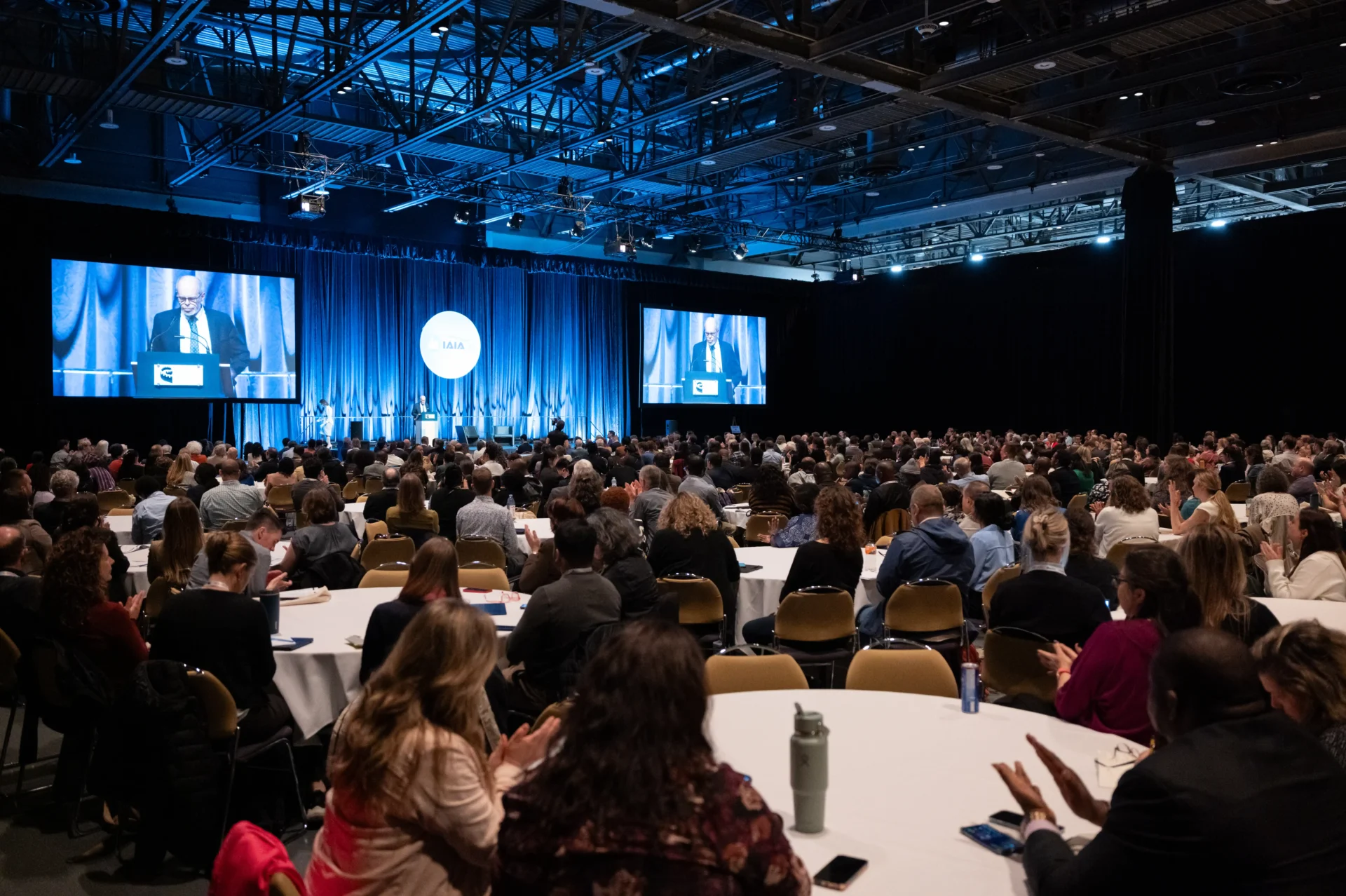
I recently had the opportunity to take IAIA on the road to the Villars Institute Summit in Switzerland. It started with a presentation in a pre-conference event for a group of corporate sustainability officers from 30 global companies—a great target audience. Then onto the main Summit event joining an invited gathering of around 300 conservation leaders, sustainability experts, chief sustainability officers, entrepreneurs, investors and philanthropists.
Villars Institute exists to promote and develop systems thinking. The Summit’s focus—integrating climate, nature and equity—is exactly where impact assessment should be operating, and increasingly, where it is needed most.
What struck me early on was this: many participants are already doing impact assessment—just not calling it that or recognising it as a distinct discipline.
Across nature-based solutions, infrastructure investment and corporate transition strategies, the same core questions kept surfacing:
- What are the consequences?
- Who is affected?
- How do we balance competing priorities?
- How do we mitigate anticipated impacts?
These are, fundamentally, impact assessment questions. And that presents a clear opportunity for IAIA—to bring structure, consistency and professional rigor to a community actively searching for better ways to make decisions.
Amidst sobering scientific updates—on planetary boundaries, biodiversity loss and tipping points—the overriding message was not a lack of data, but a lack of integration.
We have the science. We increasingly have the capital. What we lack is coherence.
Siloed approaches remain pervasive. Environmental, social and economic considerations are still too often treated separately, when the reality we are dealing with is inherently interconnected.
There was strong resonance at the Summit around the need for strategic, integrated and cumulative approaches—the core of IA good practice. Yet the perception gap remains. Too often, IA is still seen as a compliance step, something to satisfy regulatory requirements once key decisions are already locked in.
That is not where its value lies.
Impact assessment is not about permission. It is about better decisions.
Repositioning IA further upstream, back at the centre of design and strategy—where it can genuinely shape outcomes—is one of the most important challenges we face as a community.
Several sessions focused on nature, oceans and biodiversity, with inspiring case studies and emerging frameworks. But one area that particularly stood out for me—perhaps because it is less familiar territory—concerned global food systems.
The scale of systemic risk is striking. One data point in particular stayed with me: over 75% of global calorie intake is derived from just 12 plant species and 3 animal species. That level of concentration creates profound vulnerability. Disruptions—whether climatic, ecological or geopolitical—have immediate and cascading impacts.
It is a powerful reminder that many of the systems we rely on are both highly optimised—and highly fragile.
One other key personal take away for me, also drawing on my prior investment experience, was a reinforcement of a central truth at the heart of so many Summit discussions:
All nature-based solutions—and indeed most investment strategies—are ultimately investments in people.
Whether restoring ecosystems, financing energy transitions or reshaping food systems, success depends on how well we understand and respond to social realities: livelihoods, equity, culture and governance.
This is not an “add-on.” It is fundamental.
When done well, impact assessment provides the framework to navigate this complexity—connecting environmental, social and economic dimensions, enabling transparent trade-offs, and supporting more resilient outcomes.
So coming away from the event, in addition to a broadening of network and awareness of IAIA work, the Villars Summit reinforced both a challenge and an opportunity.
- The challenge is to move beyond the narrow perception of IA as a regulatory tool.
- The opportunity is to engage a broader, highly influential audience that is actively looking for what IA already offers.
There is a clear and growing demand for systems thinking, for integration, and for practical tools that can bridge science, policy and investment.
Impact assessment is one of those tools.
Our task now is to ensure that IAIA is present in these conversations—visible, accessible and relevant—helping to shape decisions not only within traditional project cycles, but across the wider landscape of global sustainability challenges.
The door is open. We should step through it.